Water damage restoration, connected by phone
Water where it shouldn't be?Stop it. Then call.
Water Damage First connects your call straight to an independent local restoration contractor, and explains what to do until they can help.
What restoration looks like
From wet to whole, room by room
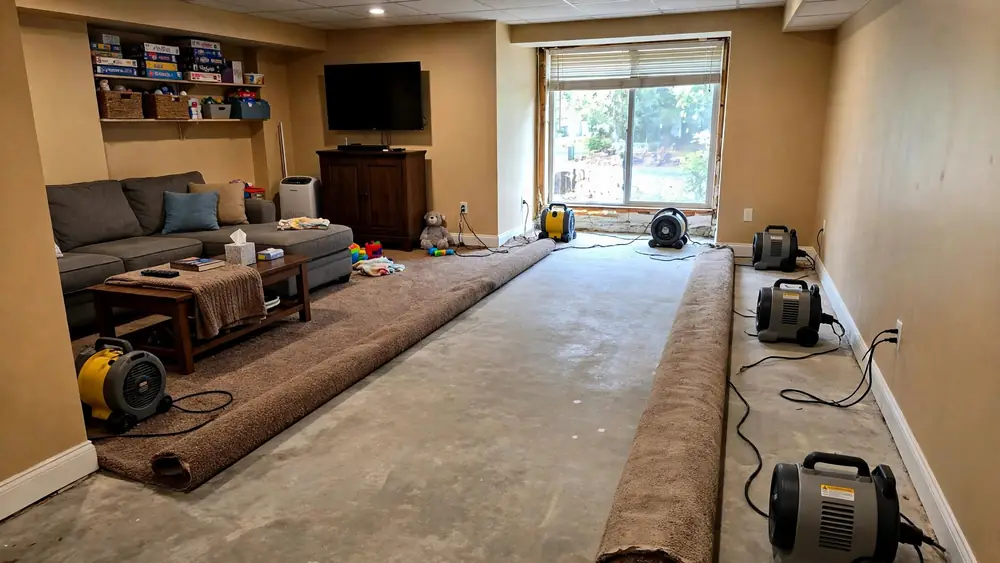
Examples of how water-damaged rooms can look before and after proper drying and repair.
 BeforeAfter
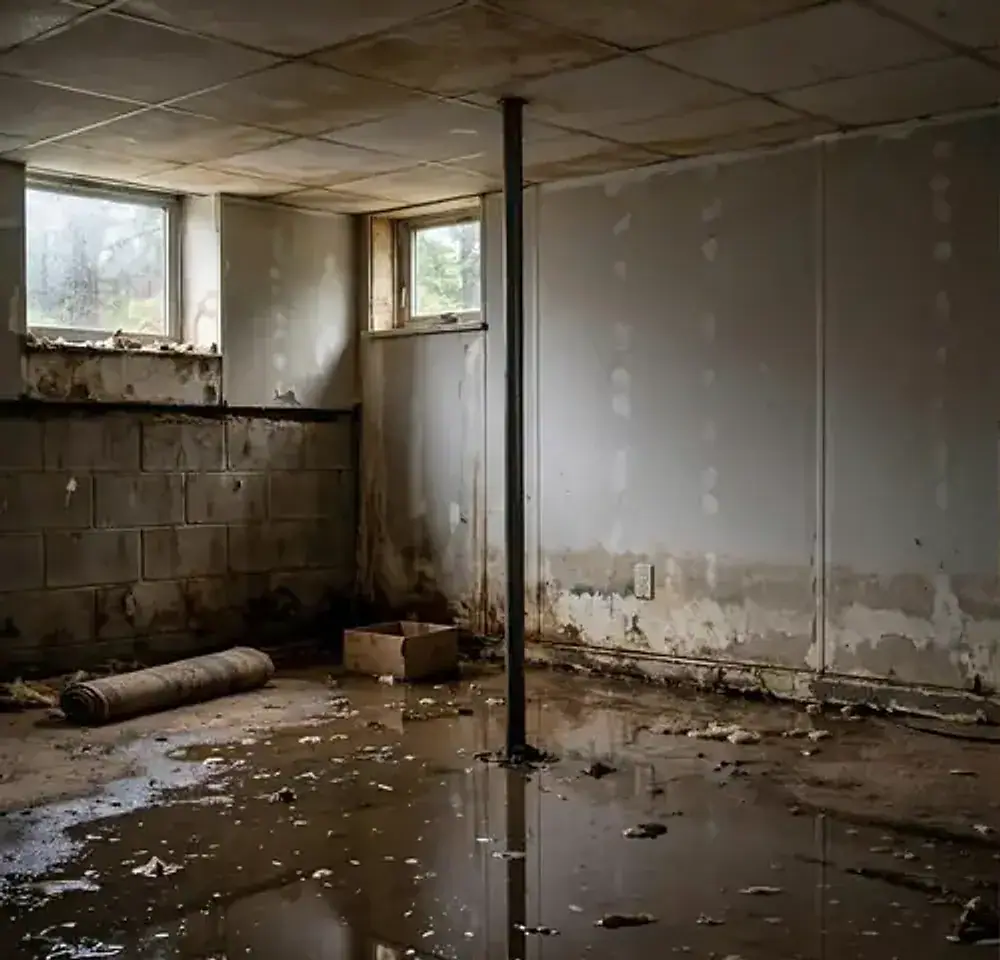
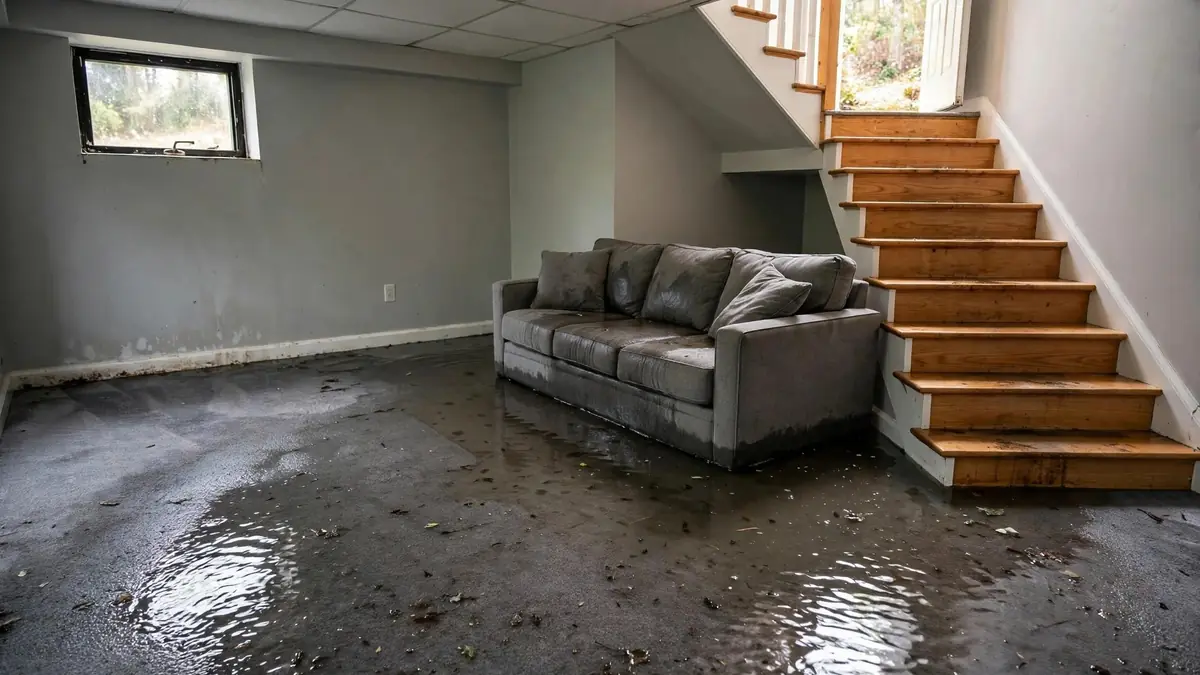
Flooded basement
 BeforeAfter
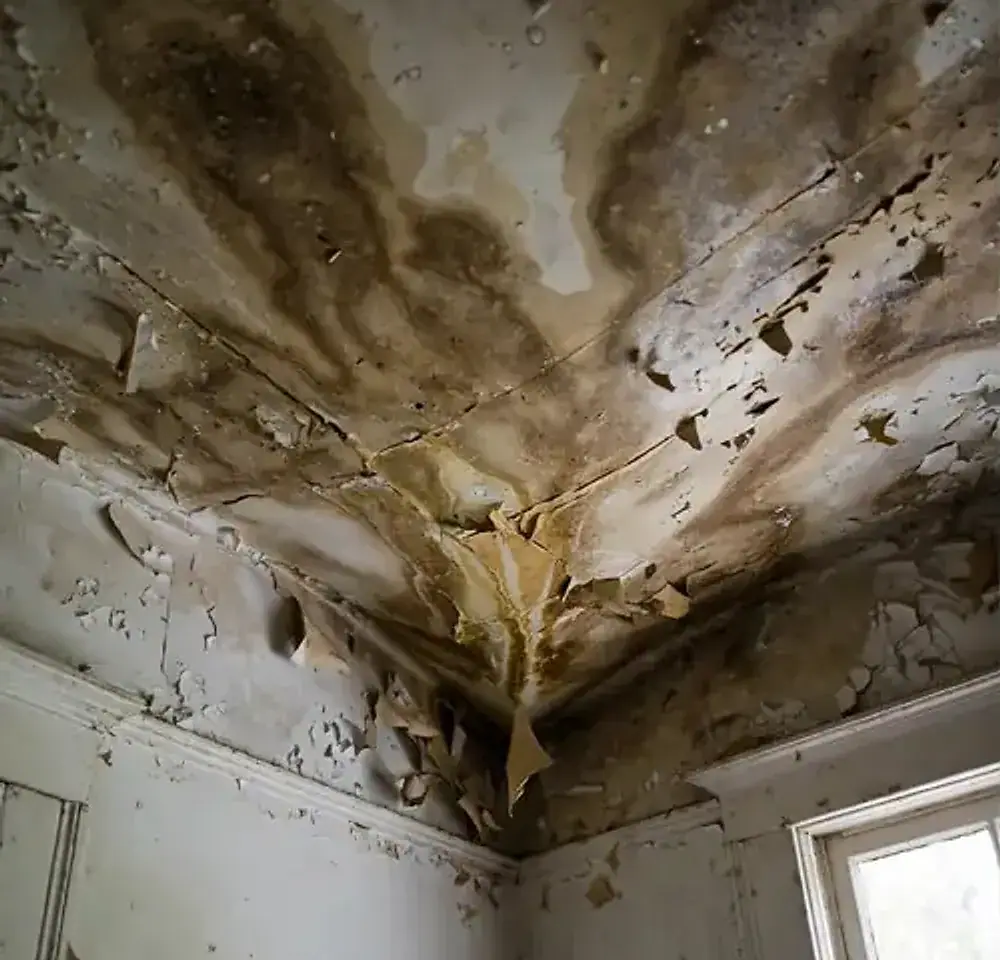
Sagging ceiling
 BeforeAfter
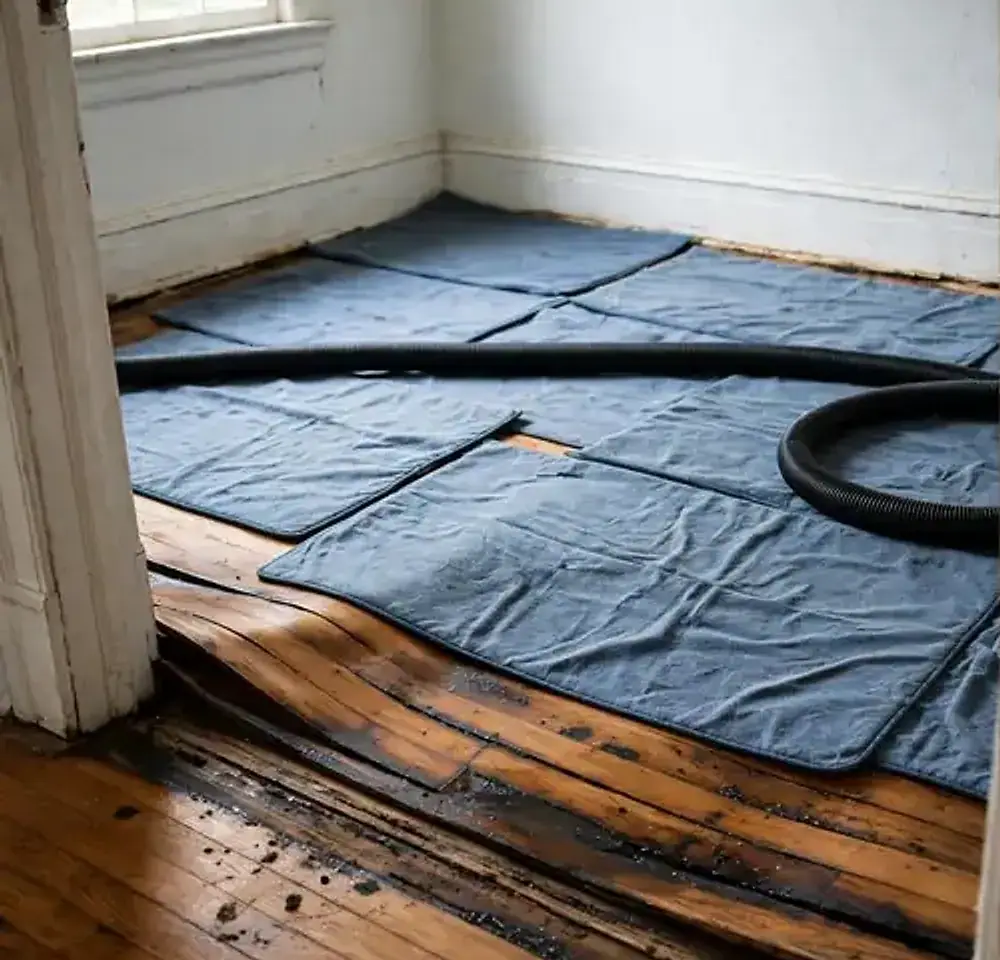
Cupped hardwood
 BeforeAfter
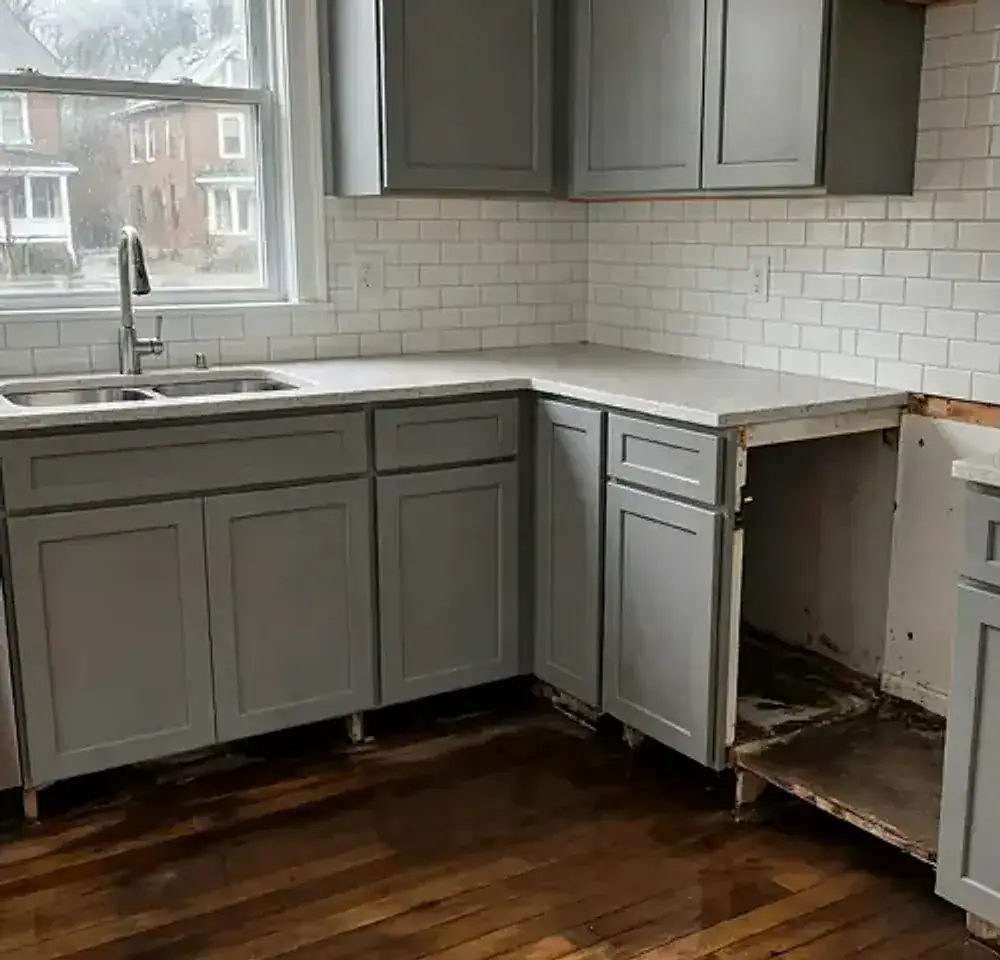
Wet kitchen floor
 BeforeAfter
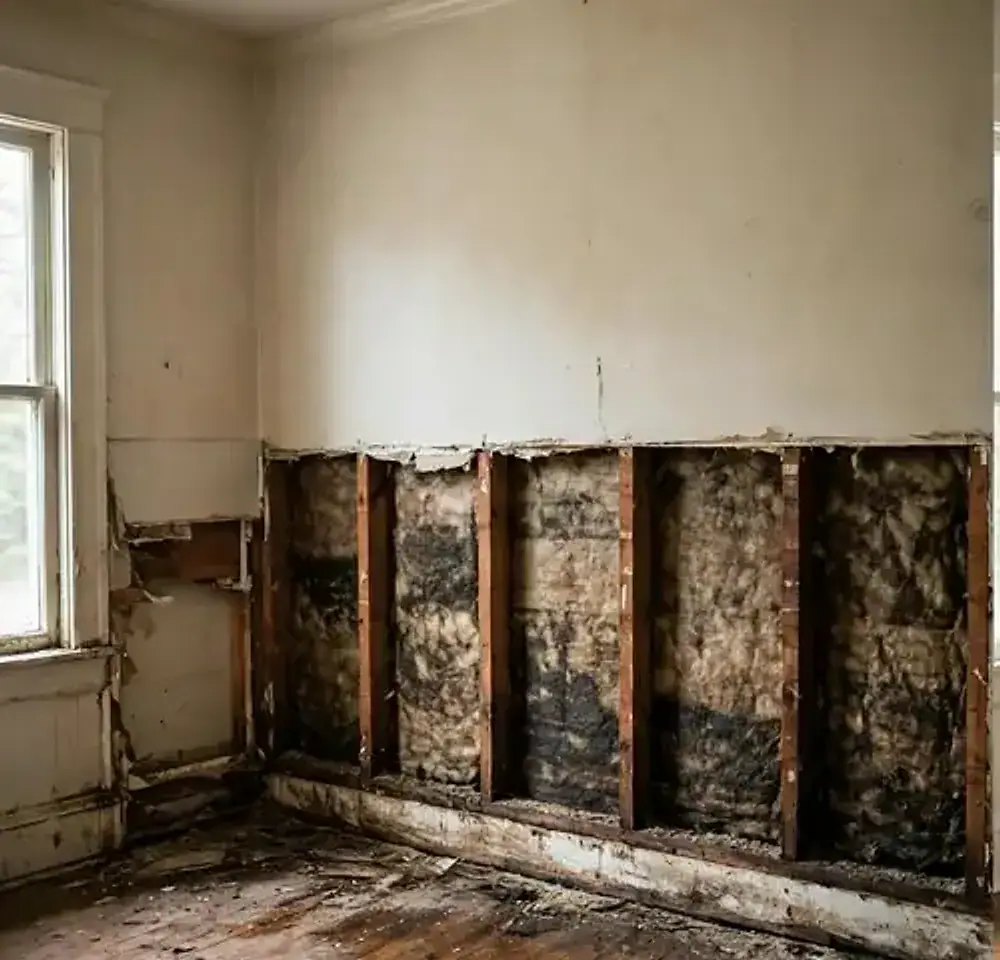
Flood-cut wall
 BeforeAfter
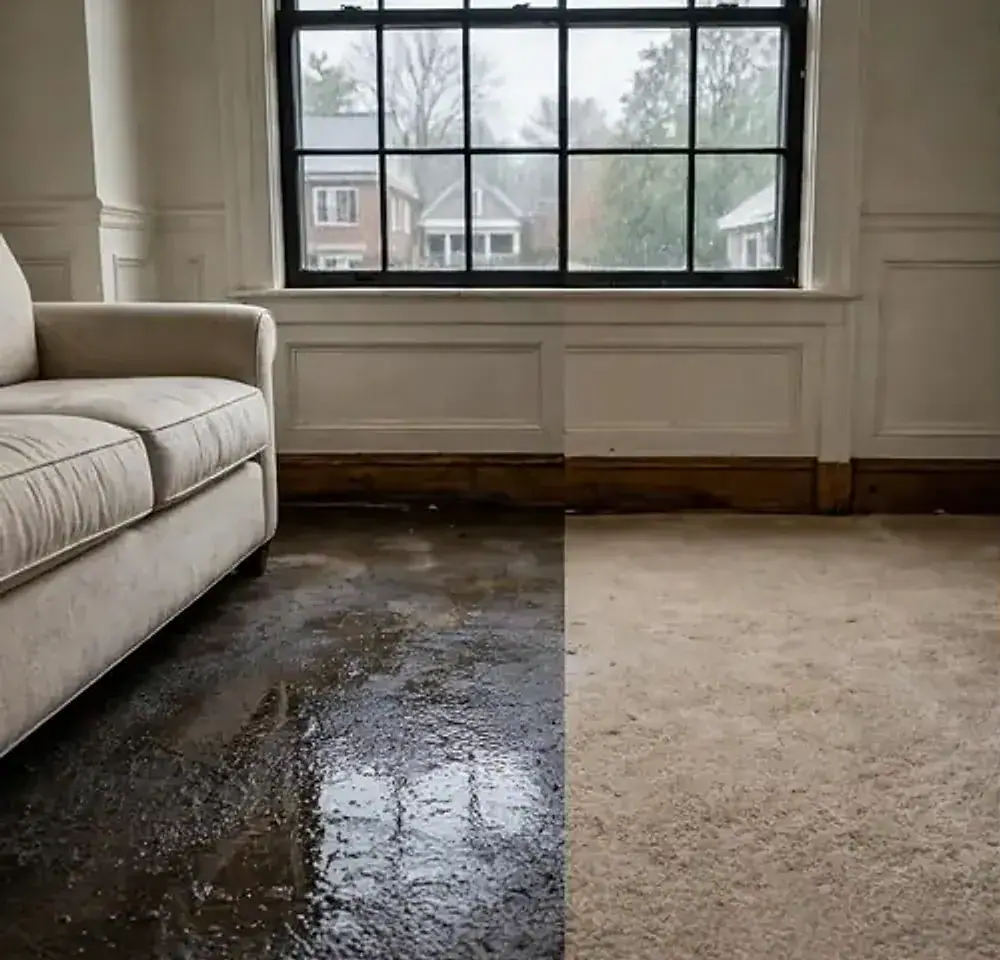
Soaked carpet
What are you dealing with?
- Water is spreading nowShut off the main, stay clear of electricity, then call.
- A pipe burst or frozeClose the main before anything thaws.
- The basement is floodedStay on the stairs until power is safe.
- Sewage came up a drainStop using water and keep everyone out.
- Storm or river floodingWait for clearance, and treat it as contaminated.
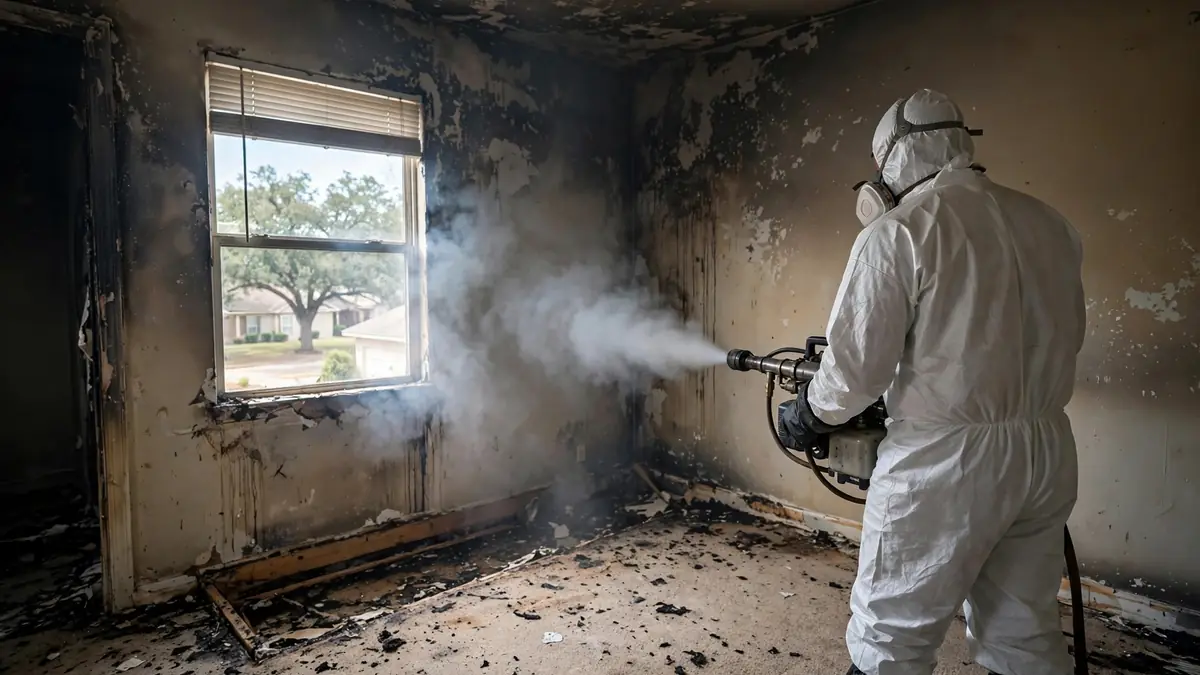
- There was a fireStay out until cleared, then call about smoke and soot.
Key facts: Water Damage First
- The EPA advises drying wet materials within 24 to 48 hours to help prevent mold.[1]
- Restoration work generally follows the ANSI/IICRC S500 standard.[2]
- Standard homeowners policies generally exclude flood, which takes a separate policy.[3]
- Water Damage First is a call-in referral service. Independent contractors do the work.
Why speed matters
The first 48 hours decide what you keep
The EPA's 24 to 48 hour drying target is the one number to remember. Here is what to do along the way.
Minutes
Stop the source. Protect people. Photograph everything.
First hours
Remove standing water and move what you can to dry ground.
Day one
Air movers and dehumidifiers go in. Readings start.
Day two
Wet porous materials that cannot dry should be gone by now.
Day three onward
Dry to a measured goal, then rebuild.
Services
Help for every kind of water problem
Each service page explains how the work is done, what can be saved, and what to expect.
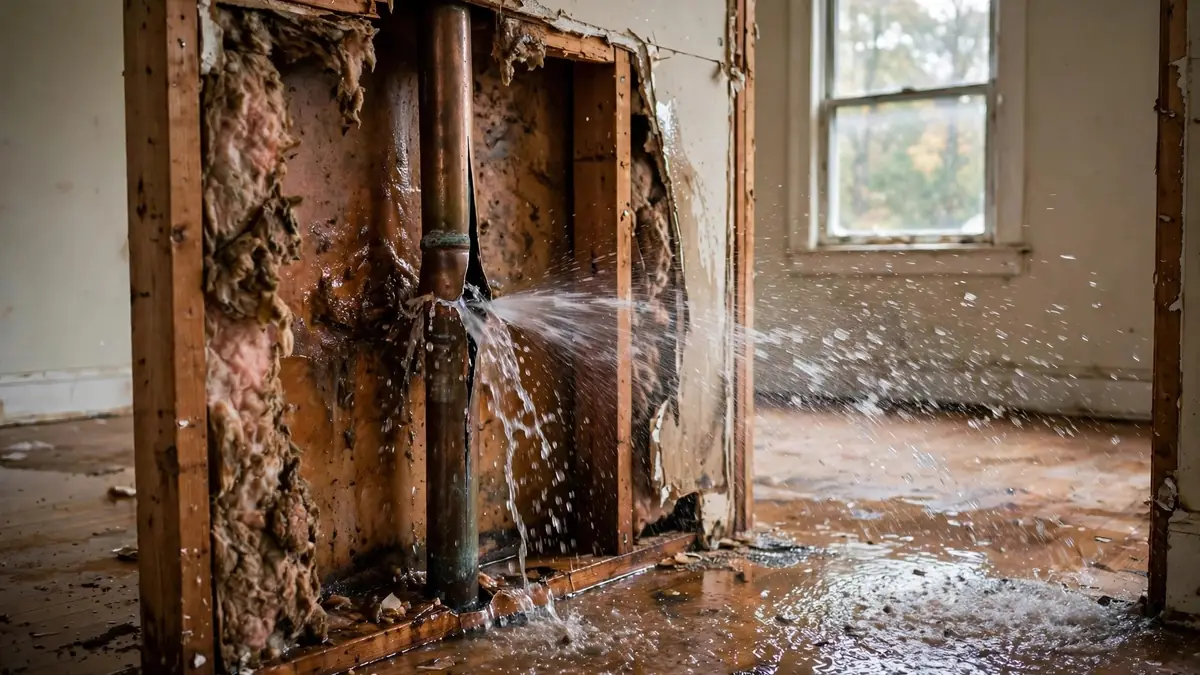
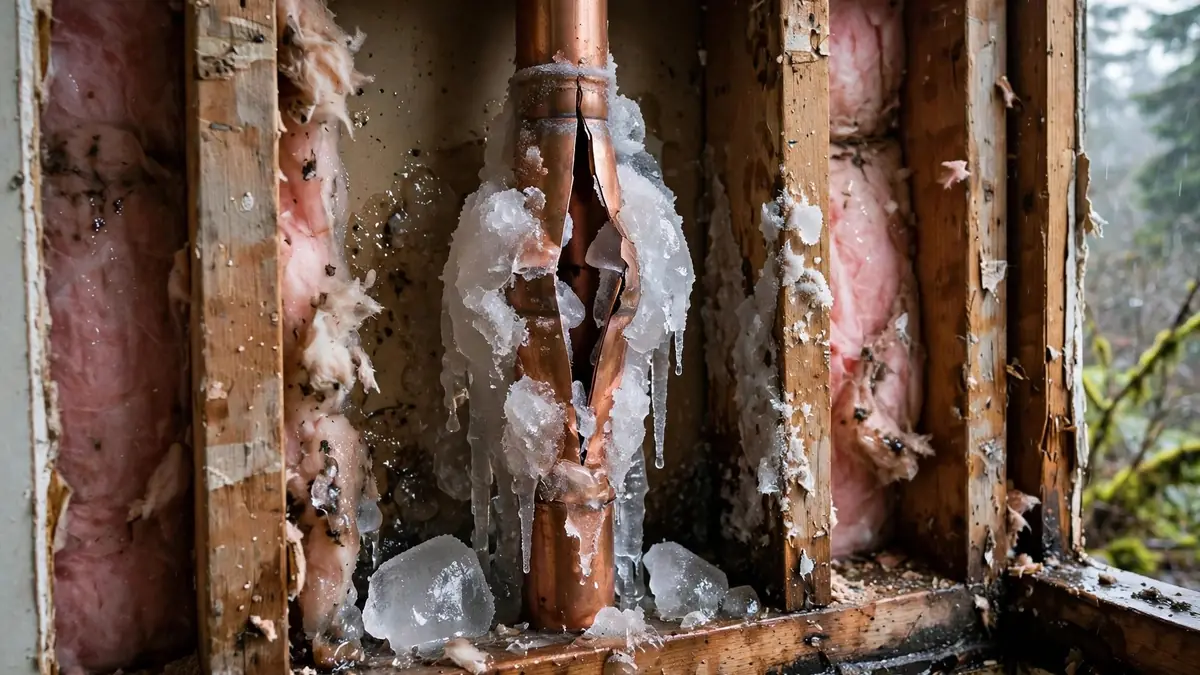
Burst Pipe and Leak Damage
Sudden bursts and slow hidden leaks in walls, ceilings and floors.
Explore service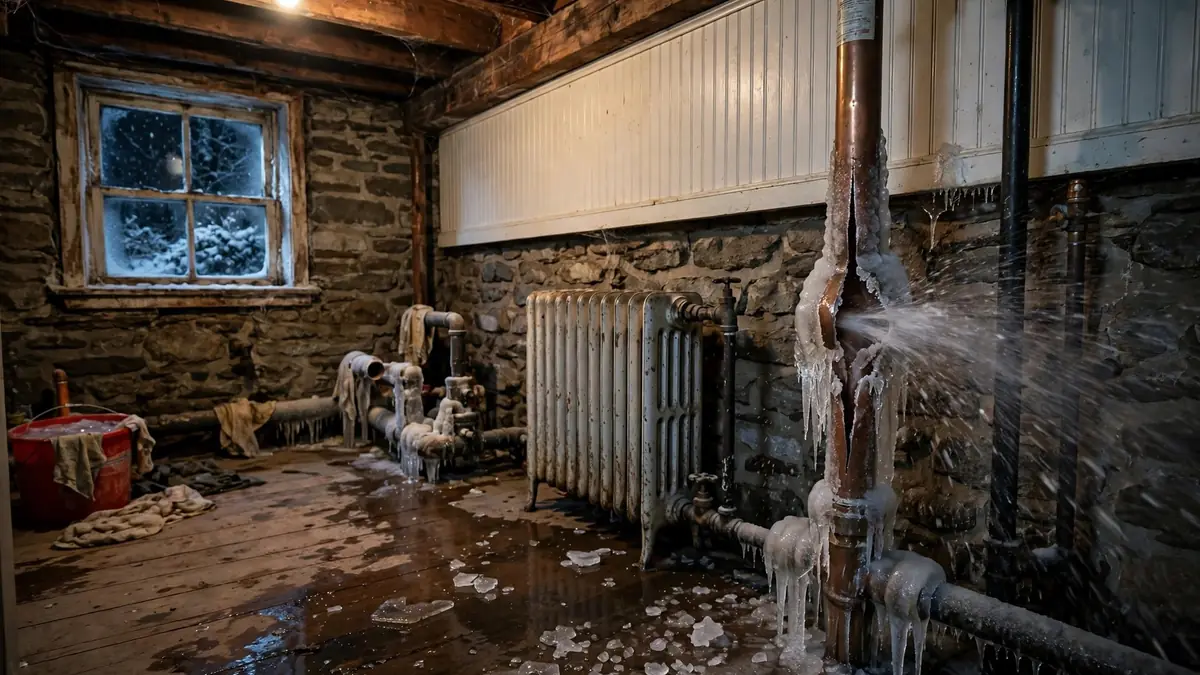
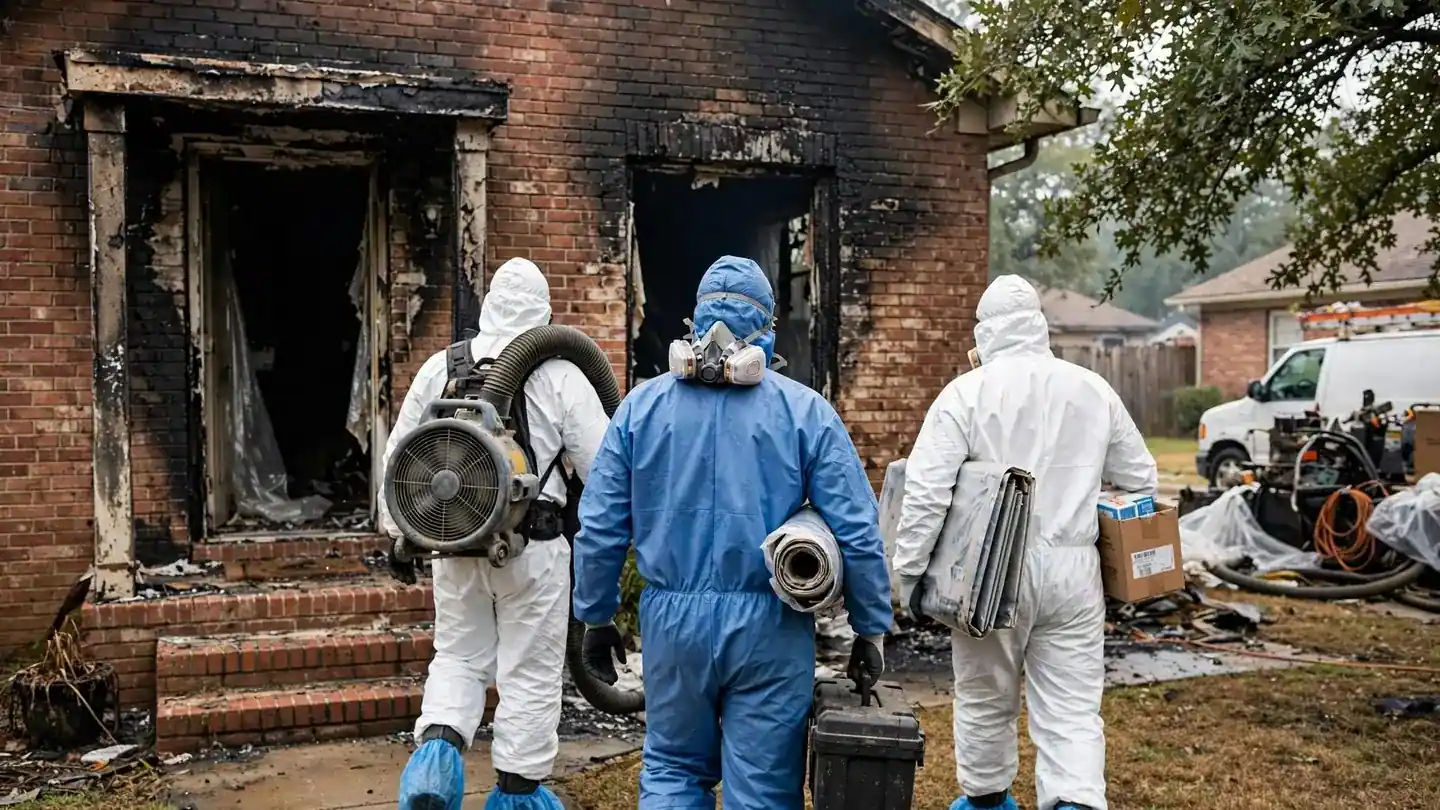
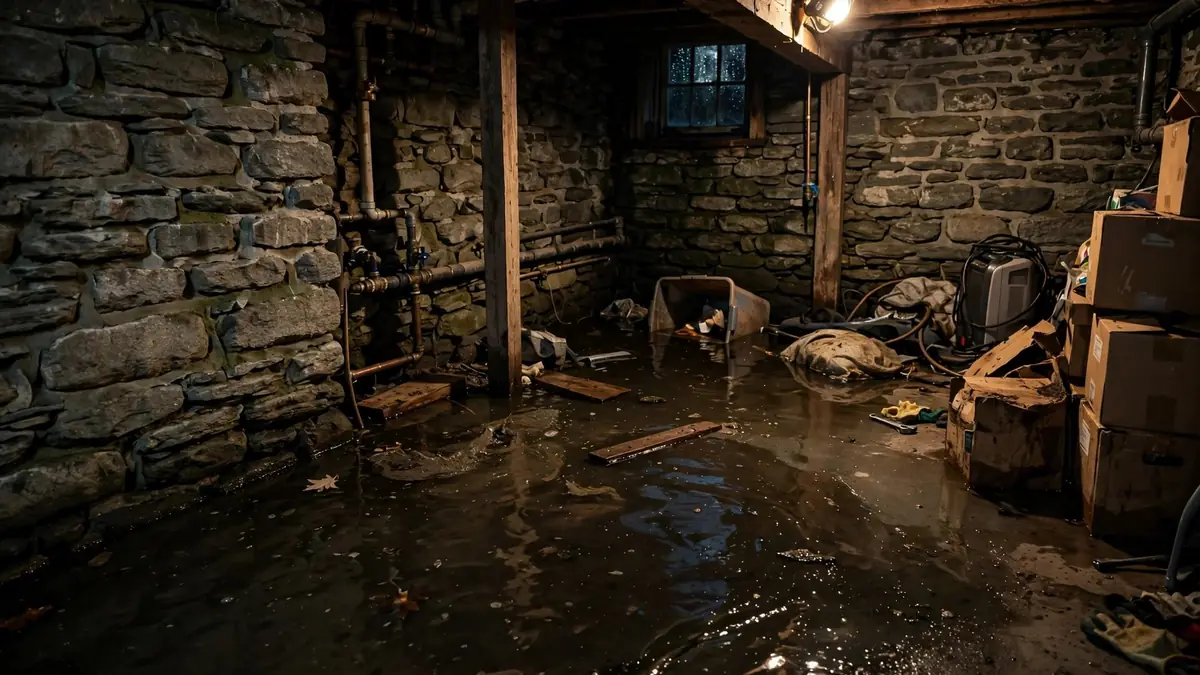
Flood Damage Cleanup
Rising water, river flooding, storm surge and contaminated cleanup.
Explore service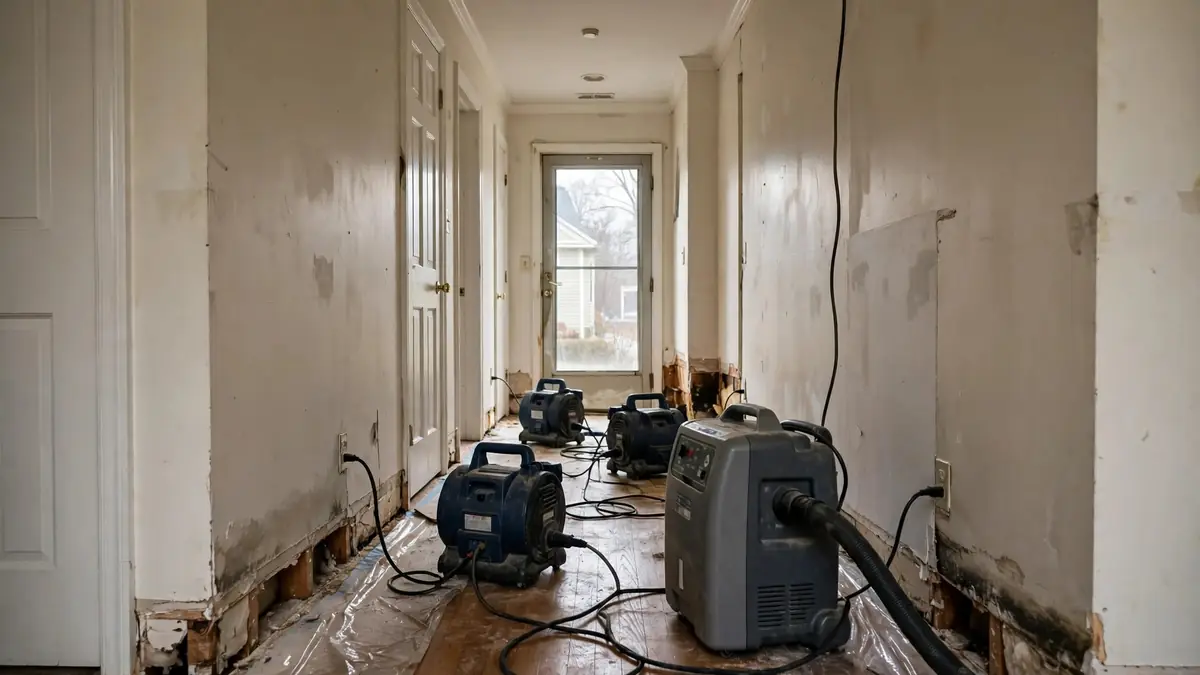
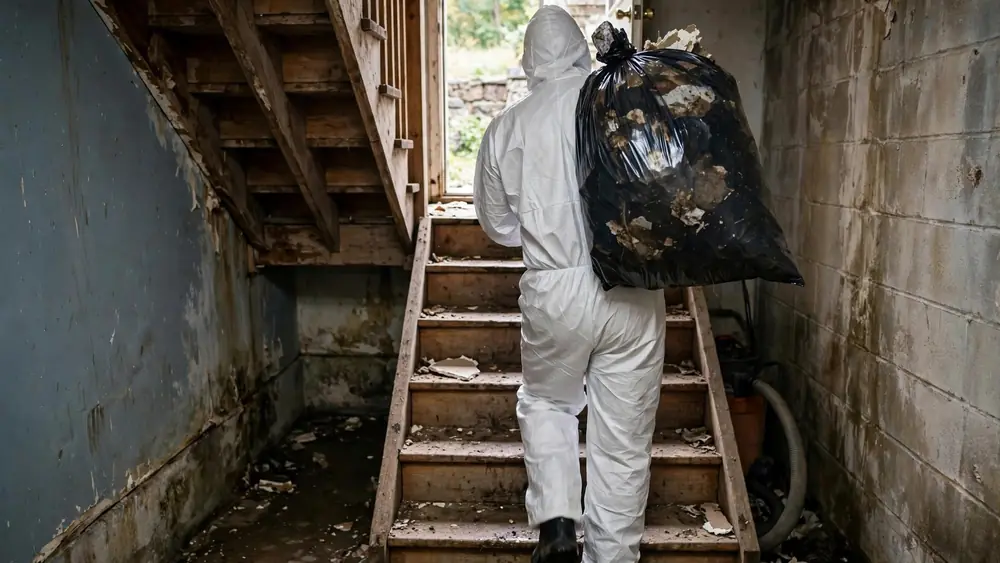
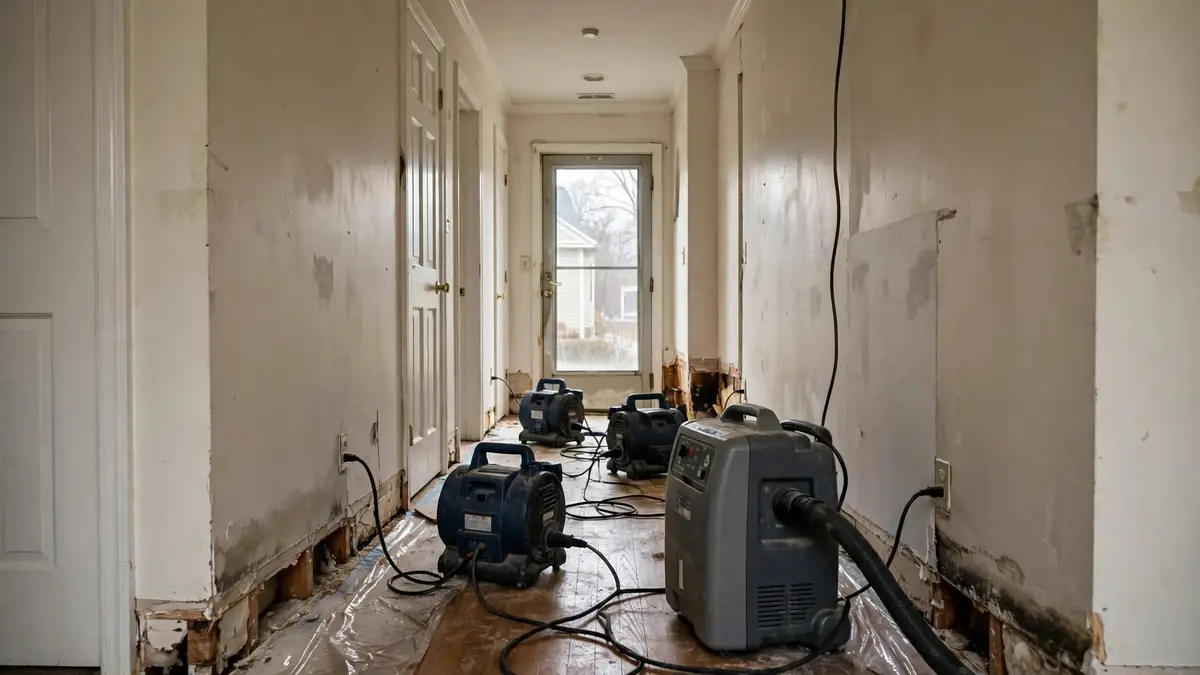
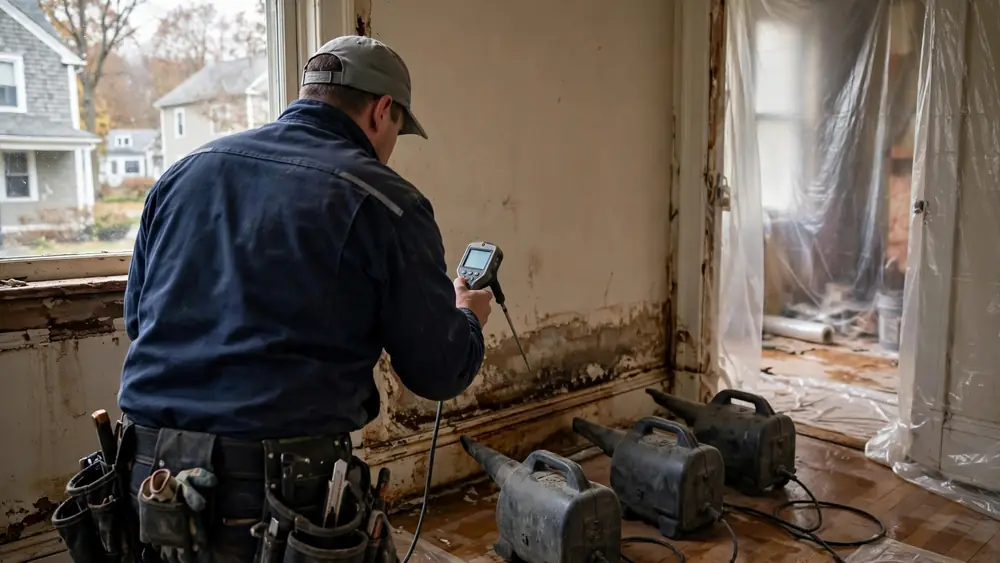
Water Damage Restoration
The complete process, from stopping the water to final repairs.
Explore service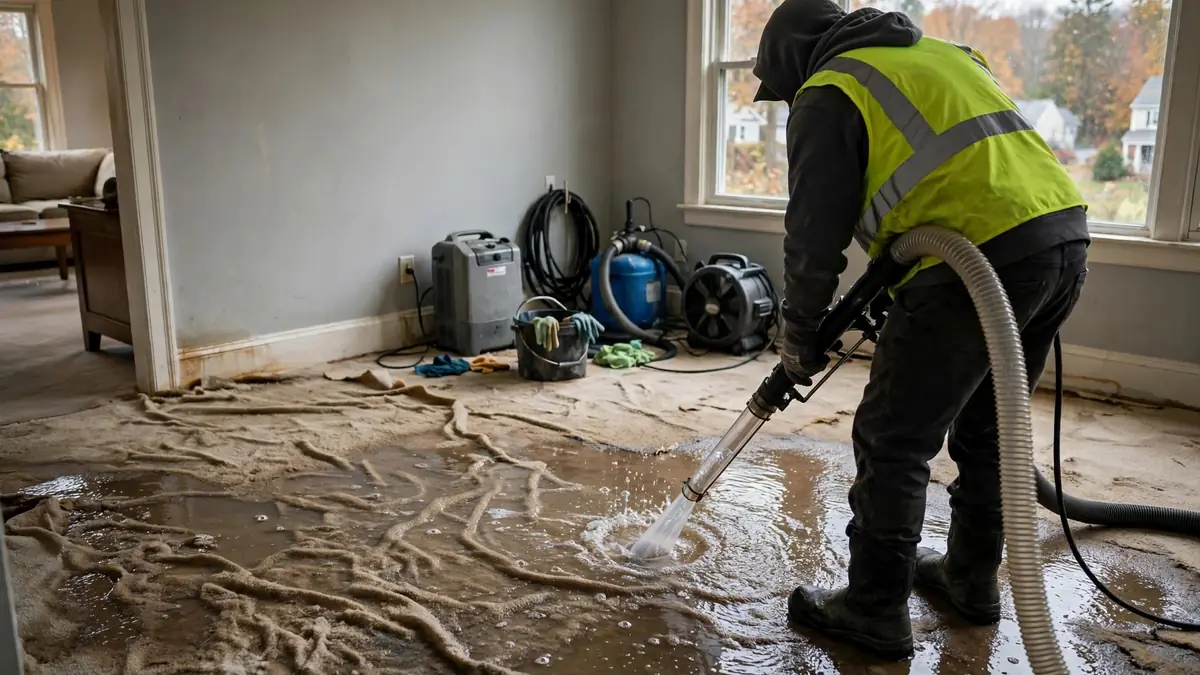
Water Extraction and Removal
Pumps, wands and vacuums that take standing water out fast.
Explore service
Where we connect calls
Find your area
We list only places where we hold real coverage data. Open your area for what is different about water there.
- Anaheim, CA
- Atlanta, GA
- Cape Coral, FL
- Cedar Hill, TX
- Clearwater, FL
- Colorado Springs, CO
- Connecticut
- Dallas, TX
- Delaware
- Dickinson, TX
- Ellicott City, MD
- Fort Lauderdale, FL
- Fort Myers Beach, FL
- Fort Myers, FL
- Fort Worth, TX
- Friendswood, TX
- Houston, TX
- Kansas
- Lake Stevens, WA
- Las Vegas, NV
- Louisiana
- Mamaroneck, NY
- Miami, FL
- New Hampshire
- Norcross, GA
- Oregon
- Paterson, NJ
- Phoenix, AZ
- Port Charlotte, FL
- Prosper, TX
- Punta Gorda, FL
- Riverside, CA
- Salt Lake City, UT
- San Antonio, TX
- San Diego, CA
- Sanibel, FL
- Sarasota, FL
- Seattle, WA
- Venice, FL
- West Palm Beach, FL
Guides
Straight answers before anyone visits
Written from public sources like the EPA and FEMA, and kept free of sales talk.
- Guide
Can Wet Carpet Be Saved?
Carpet wet with clean water can often be saved if it's extracted and dried quickly. The pad usually needs.
Read the guide  Guide
Leaking Ceiling
Move people and belongings away, put a bucket down, then find and stop the source. Stay out from under any.
Read the guide Guide
Clean, Gray and Black Water
Clean water comes from supply lines, gray water from washers or dishwashers, and black water from sewage or fl
Read the guide Guide
Flood vs Water Damage Insurance
Sudden water from inside the home usually falls to your homeowners policy, while rising water from outside usu
Read the guide Guide
Frozen Pipes
If taps stop running in a freeze, assume a pipe is frozen. Shut the main before thawing, because the split may
Read the guide Guide
Questions for a Contractor
Ask who is doing the work, how they verify dryness, what they document, and what you are signing. A good contr
Read the guide
Questions
Water damage questions, answered briefly
What is water damage restoration?
It is the process of removing water, drying the structure, cleaning affected materials and repairing what was damaged, so a building is safe and dry again.
What number do I call?
Call (866) 259-1073. Your call connects to an independent local contractor.
What is the first thing to do after water damage?
Stop the water at the main or appliance valve if it is safe, keep clear of electricity, and take photos. Then call.
How much time do I have before mold grows?
The EPA advises drying wet materials within 24 to 48 hours.[1]
Does homeowners insurance cover water damage?
Sudden indoor leaks are usually covered, while floods usually need a separate policy.[3]
Who will I talk to when I call?
Your own call connects to an independent local contractor who speaks with you on that call. We do not do the work ourselves.
Do you handle fire damage too?
Yes. Calls about fire and smoke damage connect to an independent local contractor as well.
Do you cover the whole United States?
Not yet. We list only areas with coverage on file, and new areas are added as coverage is confirmed.
Water doesn't wait. Neither should you.
Speak with a contractor in one call.